How Fence Builders Plan Secure Perimeters for Commercial and Industrial Properties
For commercial and industrial properties, a fence does a lot more than mark a boundary. It controls who comes and goes, protects equipment and inventory, keeps people away from hazards, and shapes the first impression visitors get when they pull onto the property. Getting all of that right takes careful planning long before the first post goes in the ground.
A well-planned perimeter balances security, access, safety, and appearance while fitting the realities of the site. Below, we'll walk through how our fence builders approach perimeter planning for commercial and industrial properties, so you know what to expect and what to think about before your project begins.
Assessing the Site and Its Security Needs
Every perimeter project starts with understanding the property. Is the main goal to deter trespassing and theft, keep employees safe around equipment, separate public and restricted areas, or all of the above? The answers shape everything from fence height and material to where gates and barriers belong.
Demand for professional fencing continues to grow. According to The Business Research Company, the fencing market is expected to reach $42.27 billion by 2029. As more businesses invest in perimeter protection, a thorough site assessment helps your fence solve the right problems instead of simply outlining the lot. Our fence builders walk the property, note vulnerable areas, and talk through how people and vehicles move across the site each day.
Choosing Chain Link for Strength and Visibility
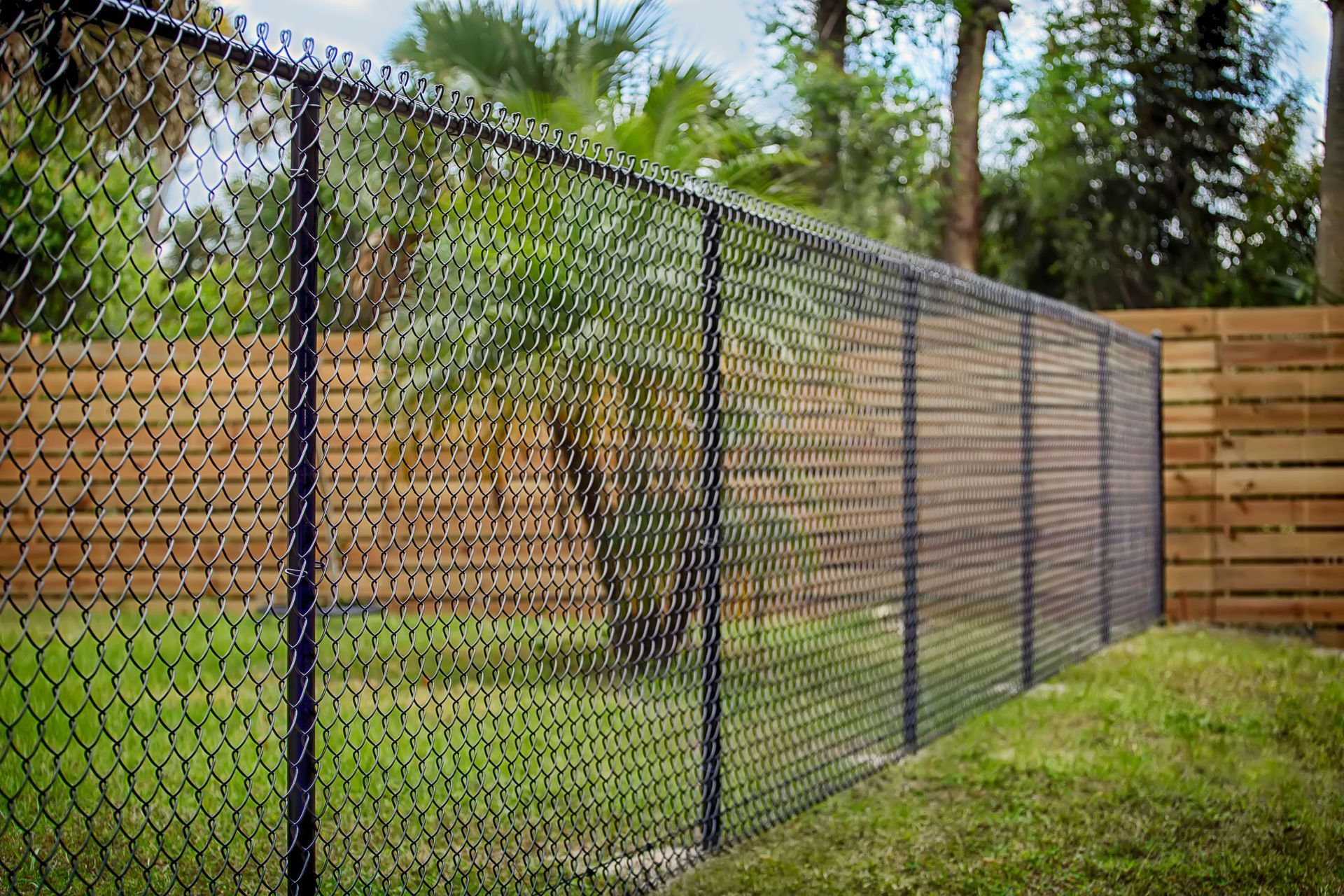
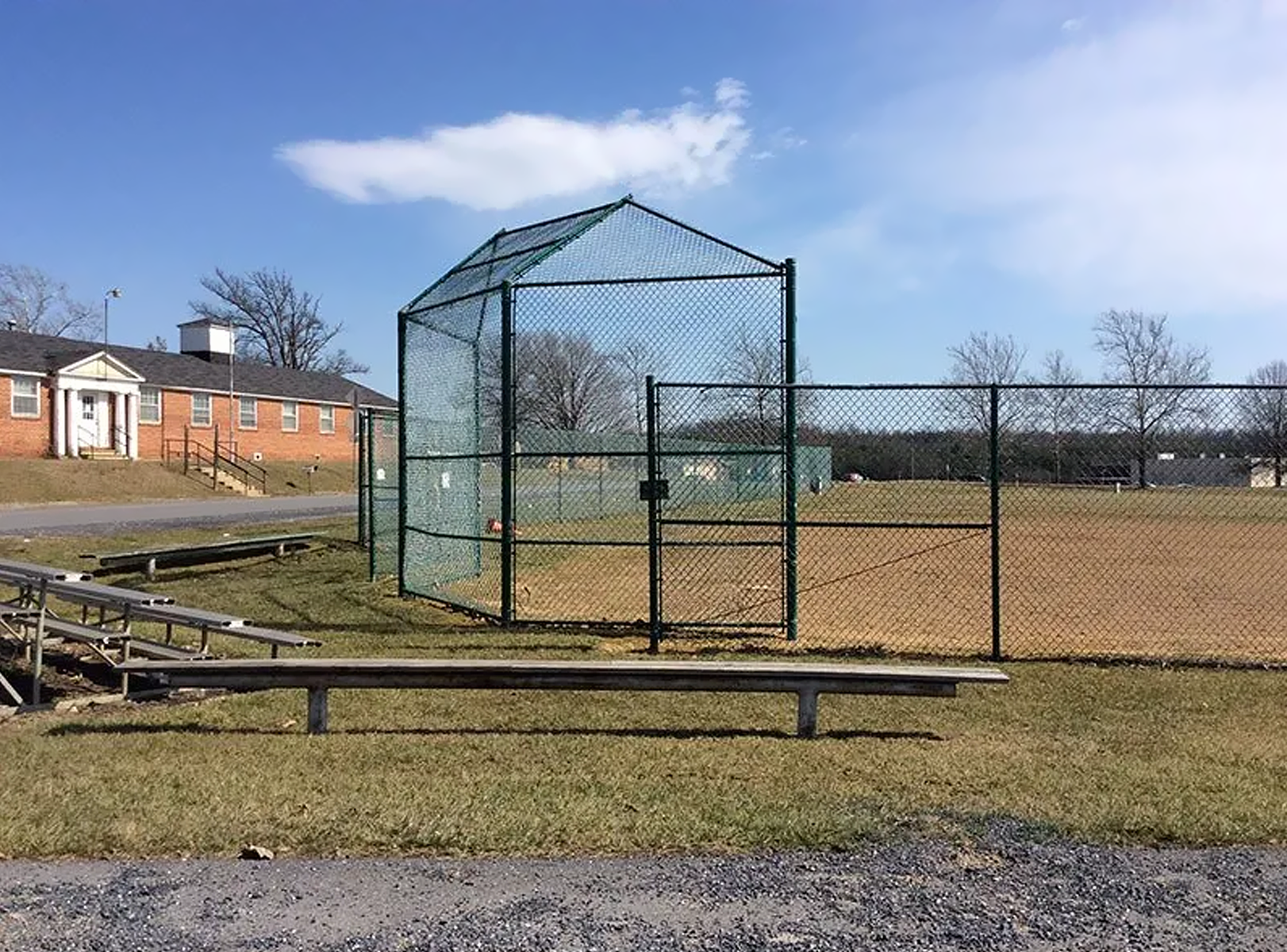
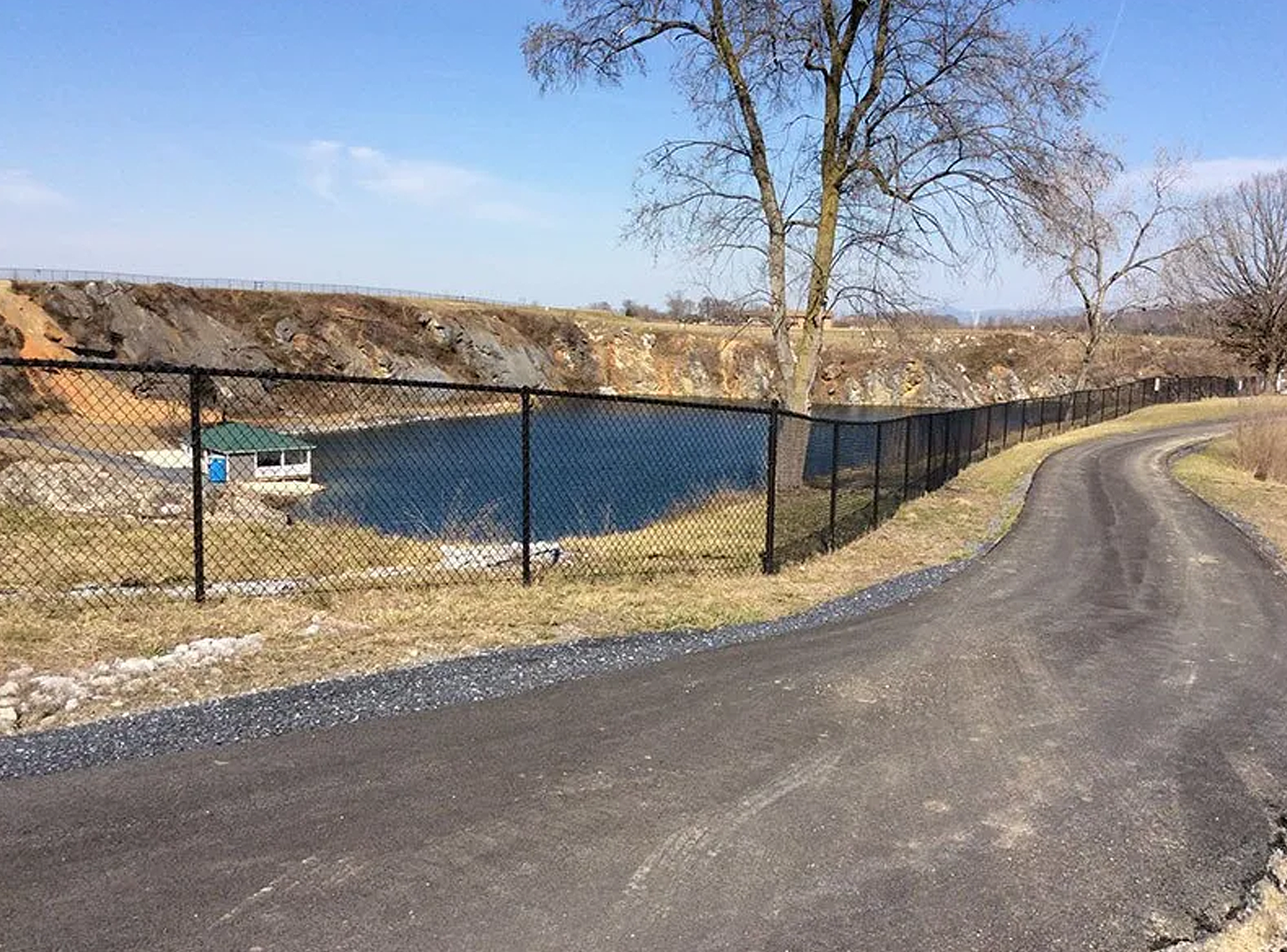
Chain link remains one of the most practical choices for commercial and industrial perimeters. It's strong, cost-effective, and well suited to long runs of fencing around warehouses, utility yards, storage areas, and job sites. Because it's see-through, it also allows clear sight lines, which can be helpful for security staff and camera coverage.
Chain link can be installed at different heights to fit the level of security a property needs. It's also relatively easy to repair if a section is damaged, which keeps maintenance manageable over the long term. For many facilities, it provides a dependable backbone for the entire perimeter.
Chain link also pairs well with other security measures. Lighting, cameras, and signage can be placed along the fence line to make the perimeter even more effective. Planning these features alongside the fence layout helps everything work together instead of being added as an afterthought.
Adding Ornamental and Wood Fencing Where Appearance Matters
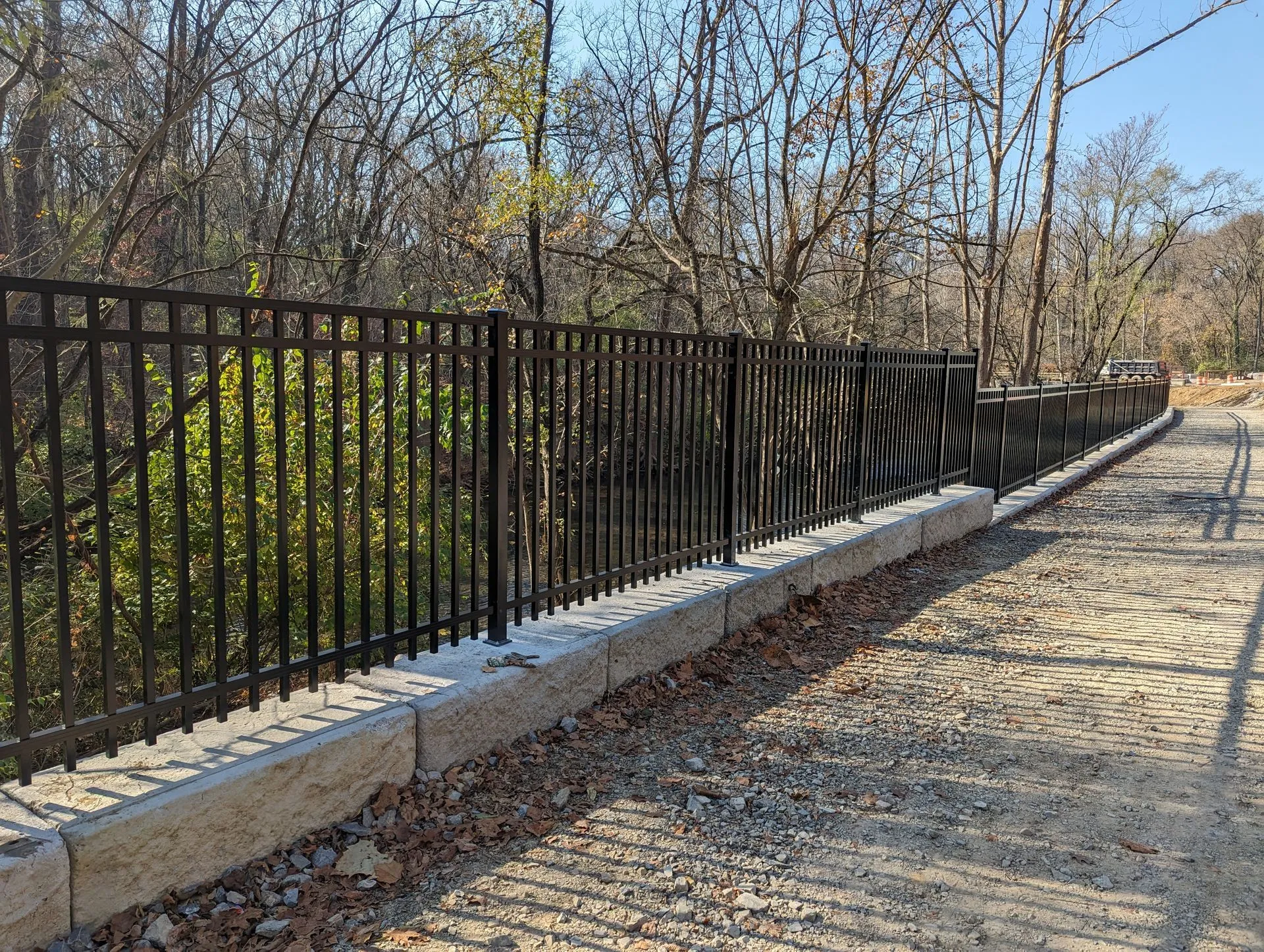
Not every part of a commercial property has the same needs. Customer-facing areas like office entrances, retail frontages, and visitor parking often call for something more refined. Ornamental fencing with finials, gate arches, and custom rails adds a polished look while still defining the space and discouraging unwanted entry.
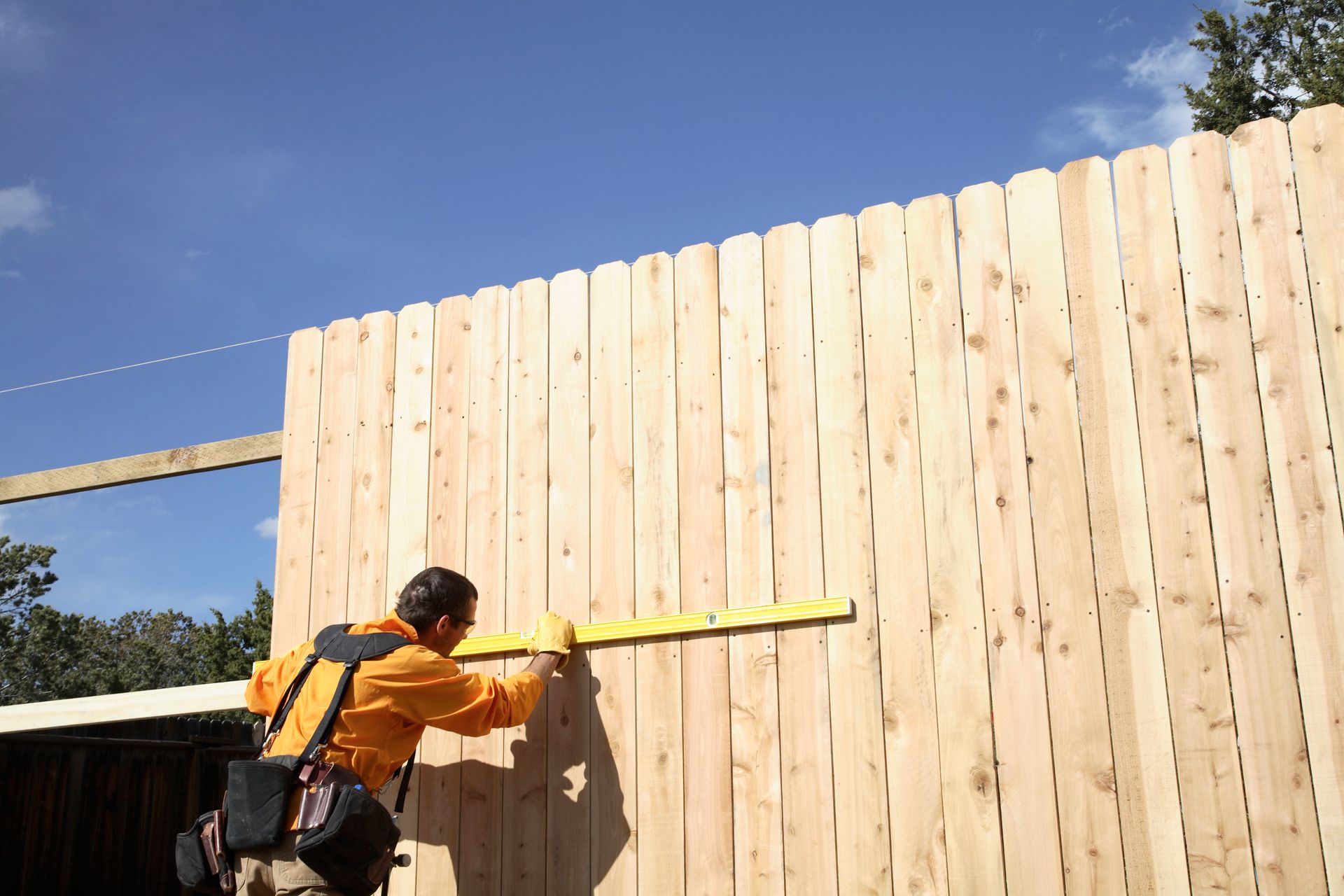
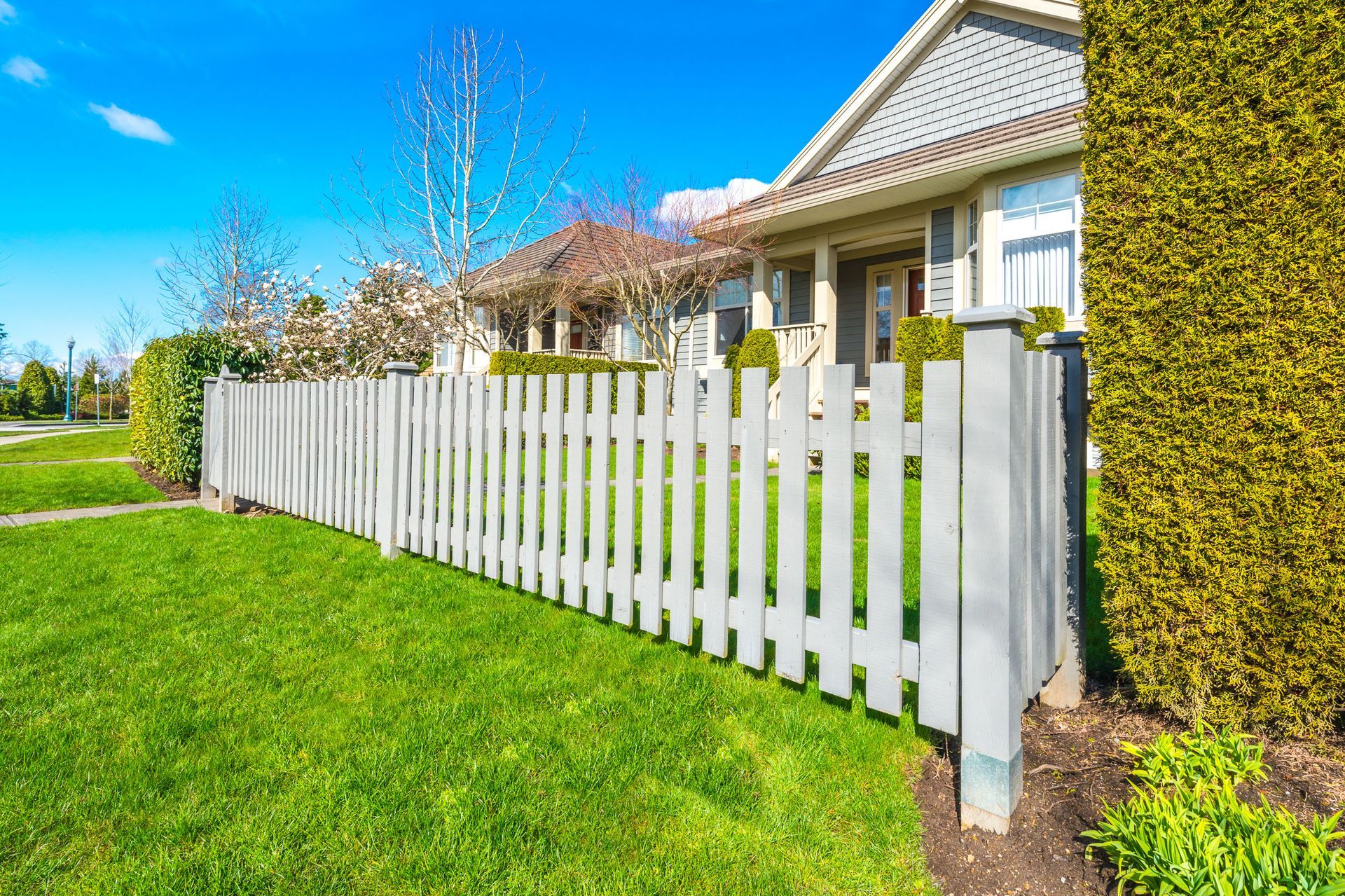
Decorative wood picket fencing can also work well for certain commercial settings, such as outdoor seating areas or smaller properties with a more traditional style. Mixing materials lets you put heavy-duty security where it's needed most while keeping the public-facing parts of your property attractive and welcoming.
Controlling Entry With Gates and Operator Systems
A fence is only as secure as its entry points. Gates need to handle daily traffic from employees, deliveries, and service vehicles without becoming a bottleneck or a weak spot. Planning gate locations, sizes, and swing or slide directions early helps traffic flow smoothly and safely.
Electronic gate operators and entry systems add another layer of control. Keypads, card readers, and remote access options let you decide who can enter and when, without needing someone on-site to open the gate. Our fence builders can help you plan gate placement and operator systems that fit how your property actually runs day to day. We'll also consider details like emergency vehicle access and pedestrian gates, so the site stays both secure and practical.
Protecting Traffic Areas With Guardrails and Barriers
Perimeter security isn't only about keeping people out. Many commercial and industrial sites also need to protect people, buildings, and equipment from vehicle traffic. Loading docks, parking lots, drive lanes, and areas near drop-offs or embankments can all benefit from guardrails and barriers.
Properly placed barriers help guide vehicles, reduce the risk of accidents, and protect valuable infrastructure like utility equipment and building corners. Including these elements in your overall plan creates a safer site and keeps your security and safety features working together. It's much easier to plan barrier locations at the start of a project than to add them after a near miss or a damaged loading dock.
Planning Around Property Lines, Utilities, and Permits
Before installation begins, it's important to confirm exactly where the fence can go. Accurate property lines help avoid disputes with neighbors and costly relocations later. Underground utilities also need to be marked so crews can dig post holes safely.
Many localities have rules about fence height, setbacks, and placement, especially near roads and right-of-ways. Commercial projects may also need to meet specific site plan requirements. Our experienced fence builders account for these details during planning, so your project stays on track and in compliance.
Accounting for Terrain and Drainage
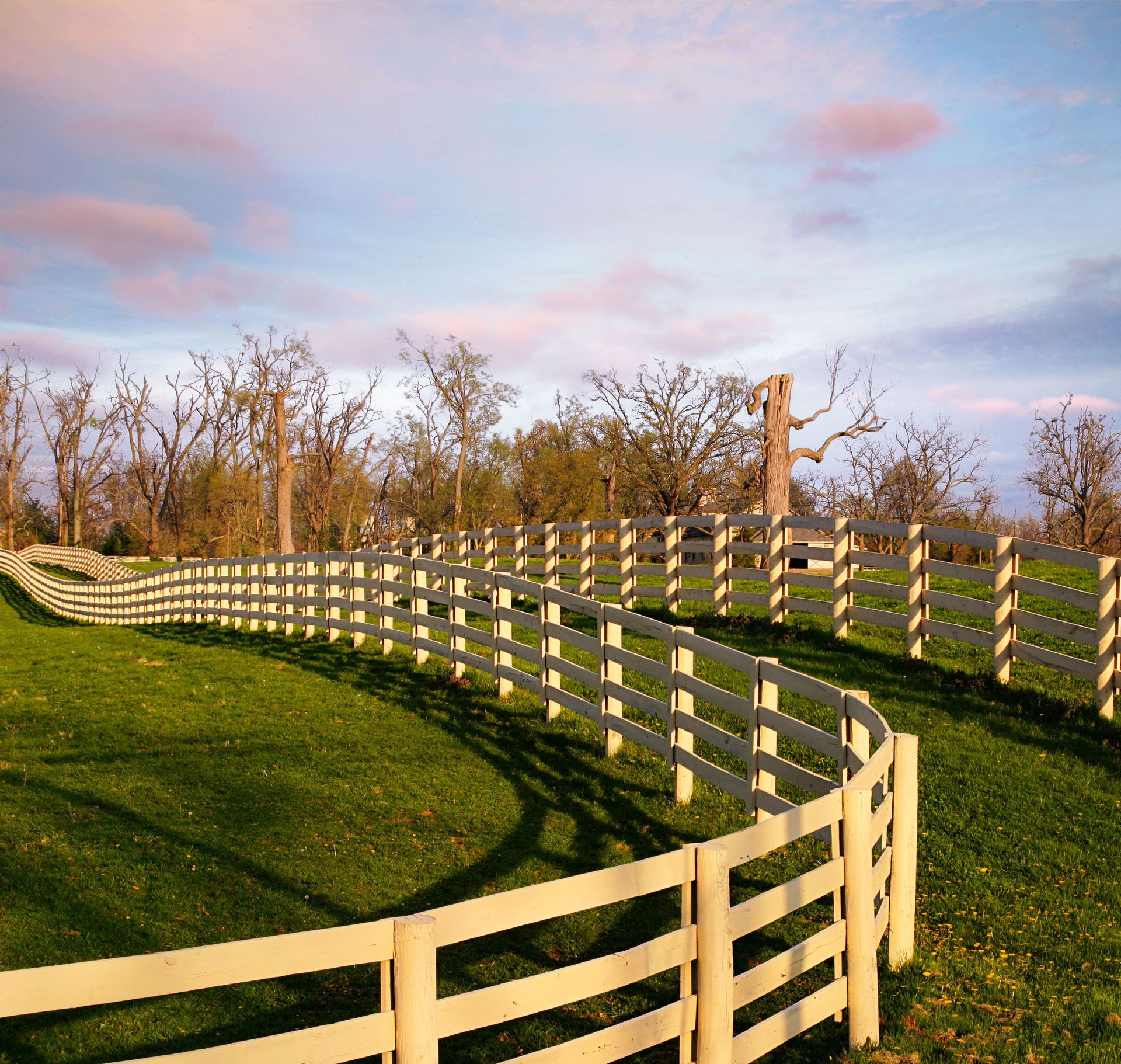
Properties throughout the Shenandoah Valley often include slopes, uneven ground, and areas where water collects after heavy rain. Fencing has to follow the land without leaving gaps underneath or creating weak spots that could be easily breached.
Our crews plan post spacing, panel transitions, and gate placement with the terrain in mind. Paying attention to drainage also helps prevent erosion around posts and keeps the fence stable for years. These details may not be obvious at first glance, but they play a big role in how well a perimeter holds up.
Scheduling Installation Around Business Operations
Commercial and industrial properties can't always shut down for a fence project. Deliveries still need to arrive, employees still need to park, and customers still need access. A good installation plan keeps disruptions to a minimum.
Phasing the work, coordinating with site managers, and keeping main entrances open during installation all help your business keep running while the new perimeter takes shape. Clear communication about schedules and progress makes it easier for everyone on site to plan around the work. For larger facilities, breaking the project into sections can also let you secure the most vulnerable areas first while the rest of the perimeter is completed.
Planning for Long-Term Durability
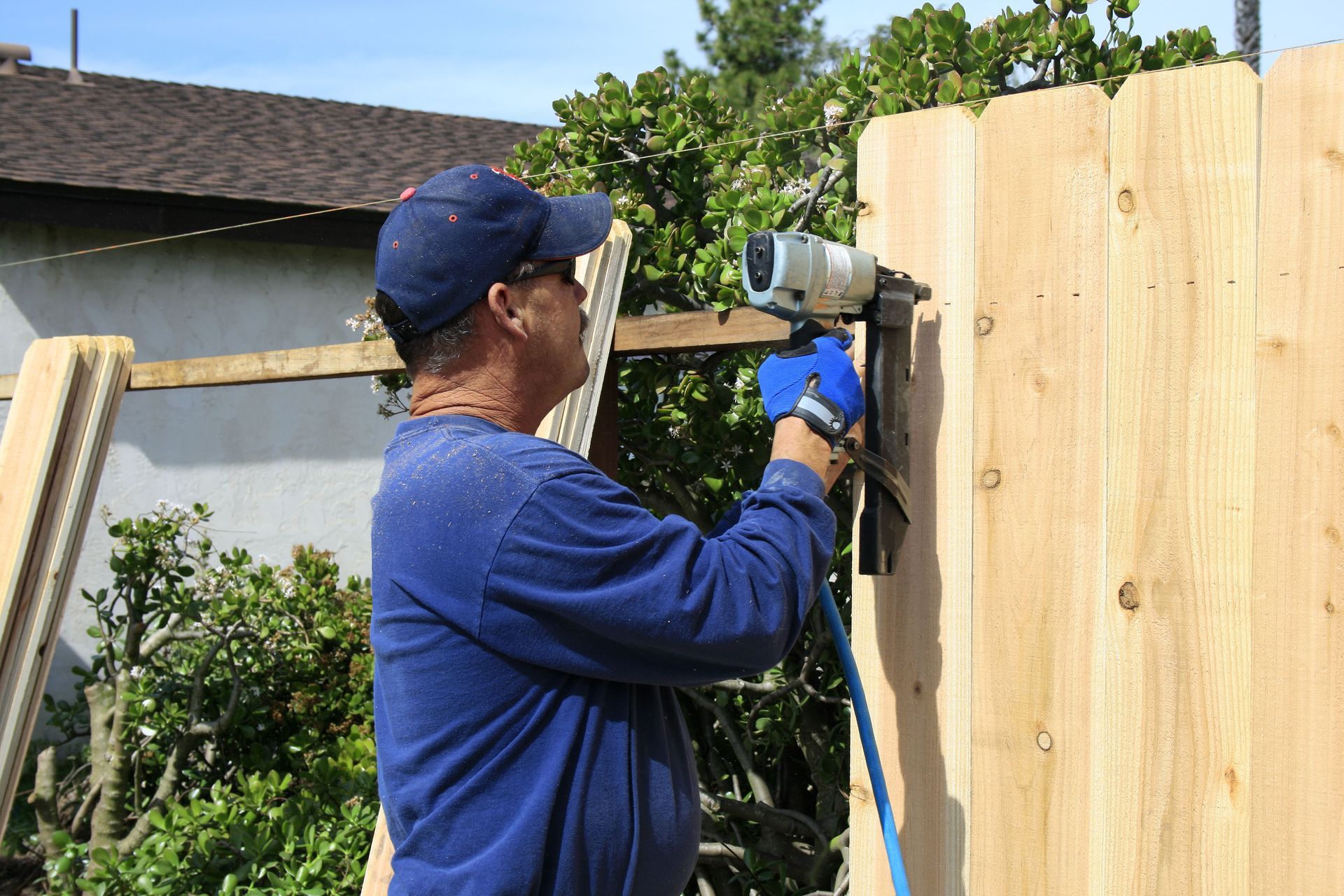
A commercial fence is a long-term investment, so durability should be part of the plan from day one. Quality materials, proper post depth, and careful installation help the fence stand up to weather, traffic, and everyday wear. Thinking ahead about maintenance also makes it easier to handle repairs quickly if a section is damaged.
We back our projects with manufacturer and workmanship warranties, giving you added peace of mind once the job is complete. Working with fence builders like ours who stand behind their work helps protect your investment for years to come.
At Webster & Webster Fence Co, we've been serving our community since 1908 as a locally and family-owned business. Today, we focus on commercial and industrial clients throughout Verona, Staunton, Waynesboro, Grottoes, Harrisonburg, Charlottesville, and the surrounding areas. As licensed, insured
fence builders, we provide chain link, ornamental, and decorative wood fencing, along with gates, operator systems, guardrails, and barriers. Contact Webster & Webster Fence Co today to request your free estimate. We look forward to working with you soon.
Share On: